

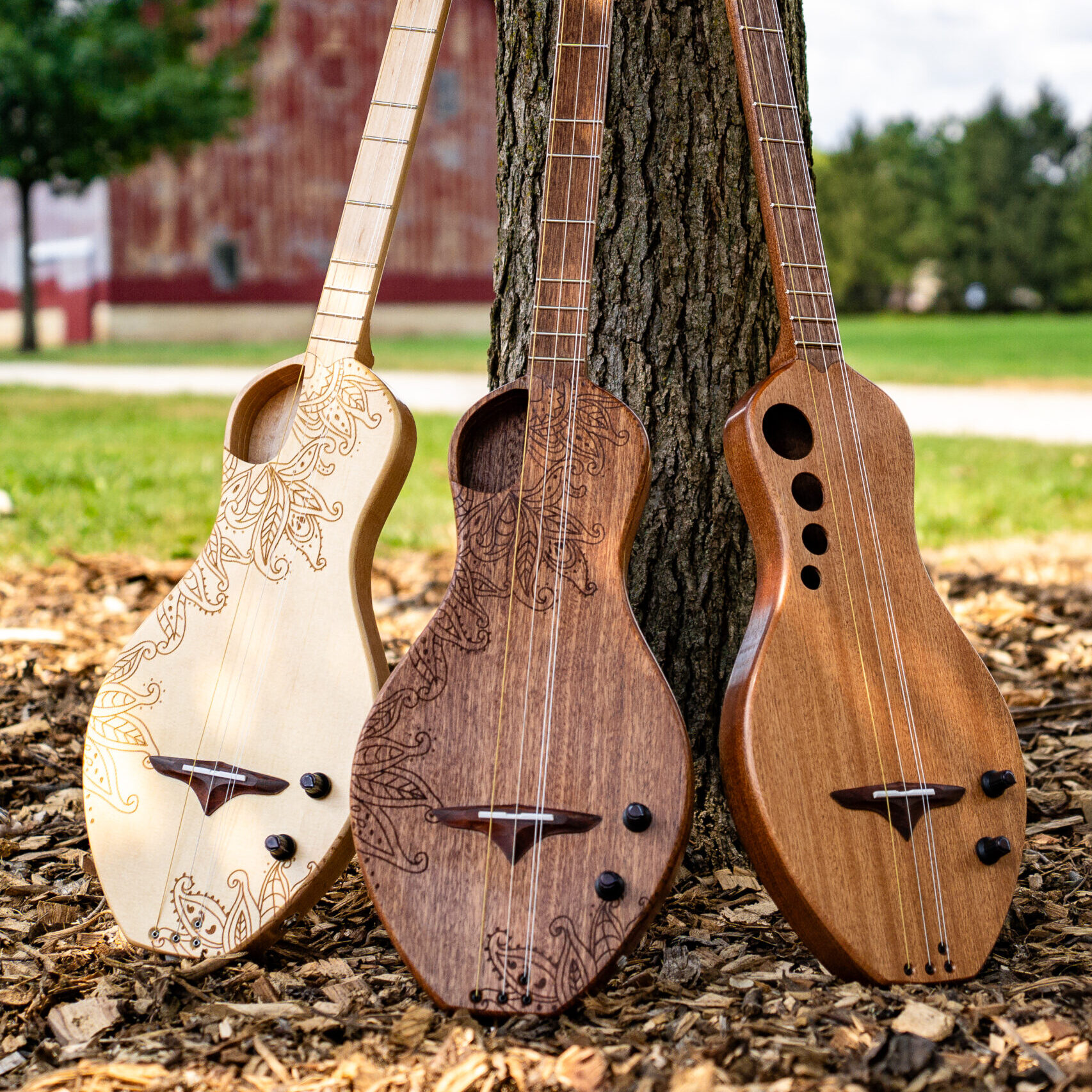
The world of music is a treasure trove of instruments, each with its unique charm and character. Two such instruments that have captured the hearts of enthusiasts are the dulcimer guitar and the ukulele. Both instruments offer delightful sounds and are known for their accessibility to beginners, but today, we’re going to explore why a dulcimer guitar – like the Jaromin Boondocker – might just be the easier option for those looking to dive into the world of playing music.

A Tale of Two Instruments: Dulcimer Guitar and Ukulele
Before we delve into why the dulcimer guitar might be easier to learn and play than the ukulele, let’s briefly understand the nature of these instruments.
The ukulele, with its small size and four nylon strings, has gained immense popularity in recent years. Its cheerful and melodic tones make it an excellent choice for beginners, especially those who want to strum along to their favorite songs. Its simplicity lies in its limited string count, making chord formations and transitions relatively straightforward.
On the other hand, the dulcimer guitar, also known as the Appalachian dulcimer, has a unique and resonant sound. It features three or four strings and a fretboard divided into different courses, making it somewhat resemble both a guitar and a lap steel guitar. Its design and tuning open up a world of harmonic possibilities, making it a versatile instrument for various musical genres.
Why the Dulcimer Guitar Might be Easier to Learn and Play
- String Configuration and Tuning: The dulcimer guitar’s string configuration and tuning simplify the process of creating harmonious chords. Its diatonic fretboard arrangement, often with only three or four strings, reduces the complexity of finger placement compared to the ukulele’s four strings. This can be particularly beneficial for beginners who might find the coordination of multiple strings challenging.
- Chord Structures: The dulcimer guitar’s chord structures are often based on open tunings, making it easier to produce pleasing sounds with minimal effort. This is in contrast to the ukulele, where certain chords might require finger contortions due to the limited number of strings and frets. Beginners can find the dulcimer guitar’s chord shapes more intuitive and gratifying to play.
- Strumming and Picking: The dulcimer guitar’s larger size offers more room for comfortable strumming and fingerpicking. This aspect can be particularly appealing to beginners who are still developing their finger strength and dexterity. The ukulele, with its smaller size, might require more precise finger movements, which can initially pose a challenge.
- Versatility and Musical Expression: While both instruments offer musical versatility, the dulcimer guitar’s unique design allows for creative experimentation with various playing techniques. Its distinctive sound can be adapted to folk, blues, classical, and even contemporary styles, offering learners a broader range of musical exploration.
- Progression to Other Instruments: Learning the dulcimer guitar can provide a solid foundation for progressing to other string instruments like the guitar or even the banjo. The skills and techniques acquired on the dulcimer guitar can seamlessly transfer, offering a smoother learning curve when branching out to more complex instruments.

Embarking on Your Musical Journey: Choosing the Right Instrument
As a beginner, choosing the right instrument is crucial to your musical journey. Both the dulcimer guitar and the ukulele have their merits, and your choice ultimately depends on your musical preferences and the kind of experience you seek. If you’re looking for an instrument that offers a slightly easier learning curve, a unique sound, and versatile playing styles, the dulcimer guitar might just be the perfect choice for you.
Remember, regardless of the instrument you choose, patience, practice, and a genuine passion for music are the keys to your success. Whether you’re strumming a dulcimer guitar or plucking a ukulele, the joy of creating music will undoubtedly enrich your life in countless ways. So go ahead, take that first step, and immerse yourself in the melodious world of strings – your musical adventure awaits!
Shop new arrivals
-
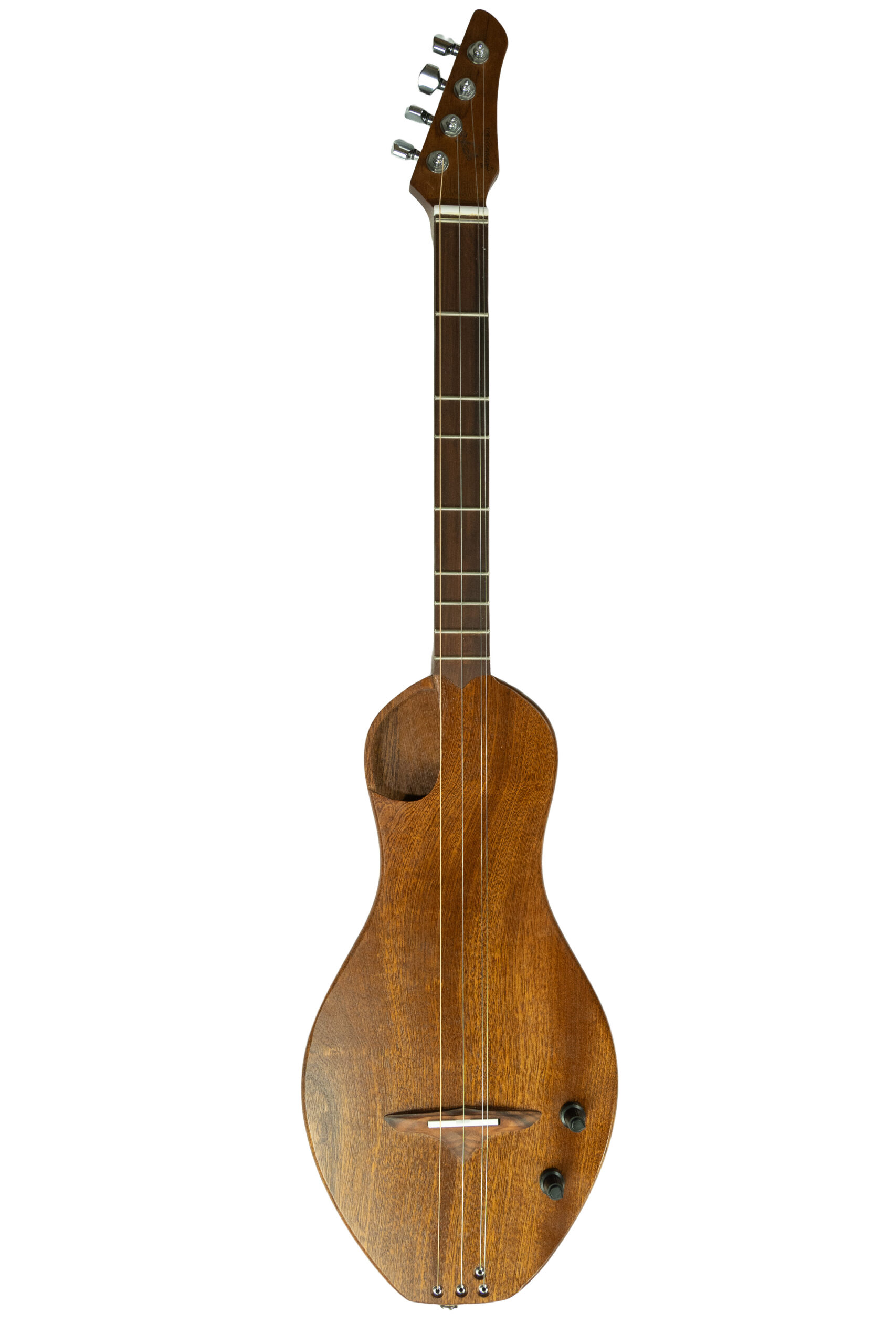
Boondocker D2 PRO Mahogany Dulcimer Guitar
Price range: $349.95 through $359.95 -
 Product on sale
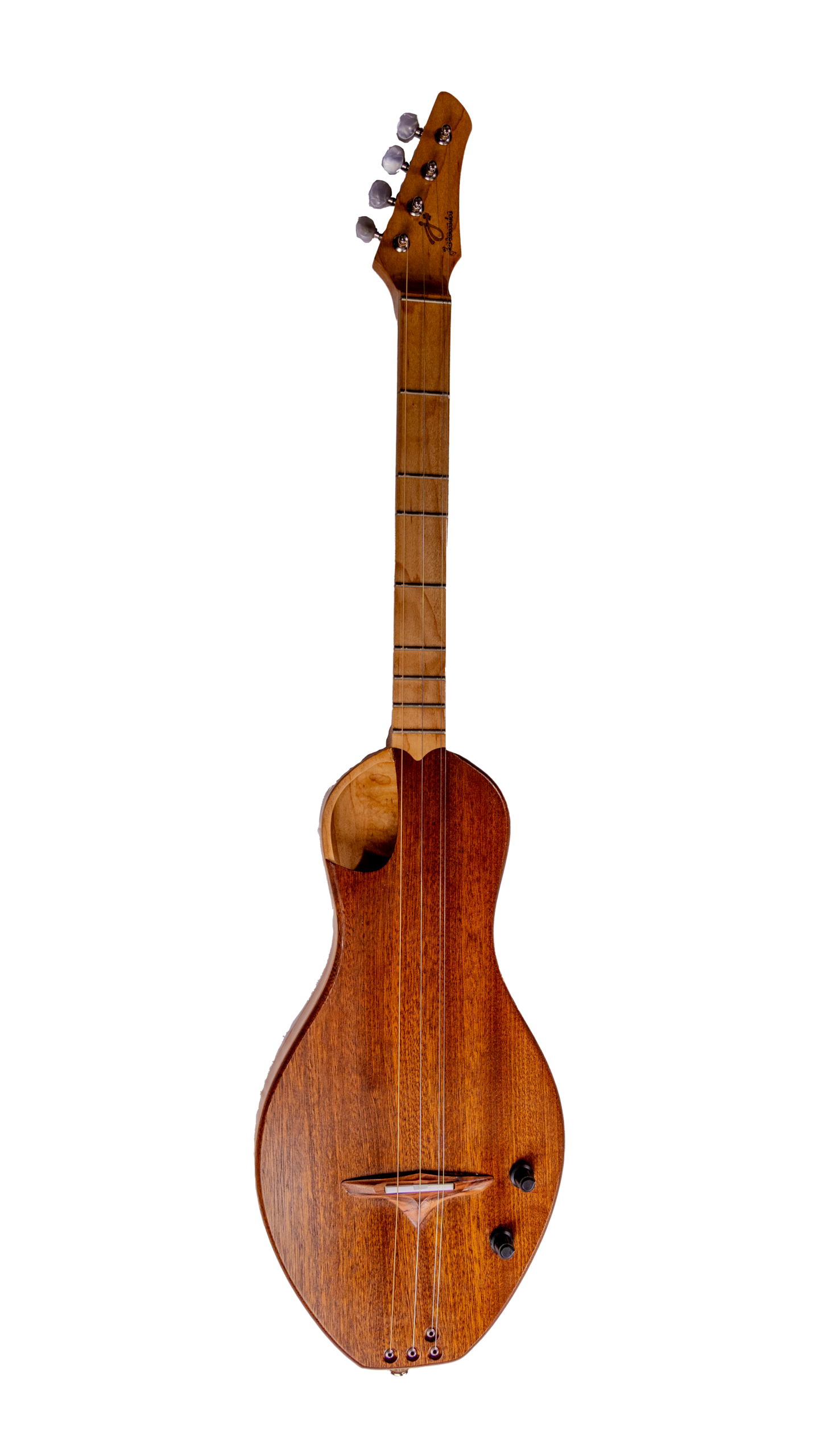
ALL NEW: Boondocker D2 Maple & Sapele Electric
Original price was: $259.95.$229.95Current price is: $229.95. -
 Product on sale
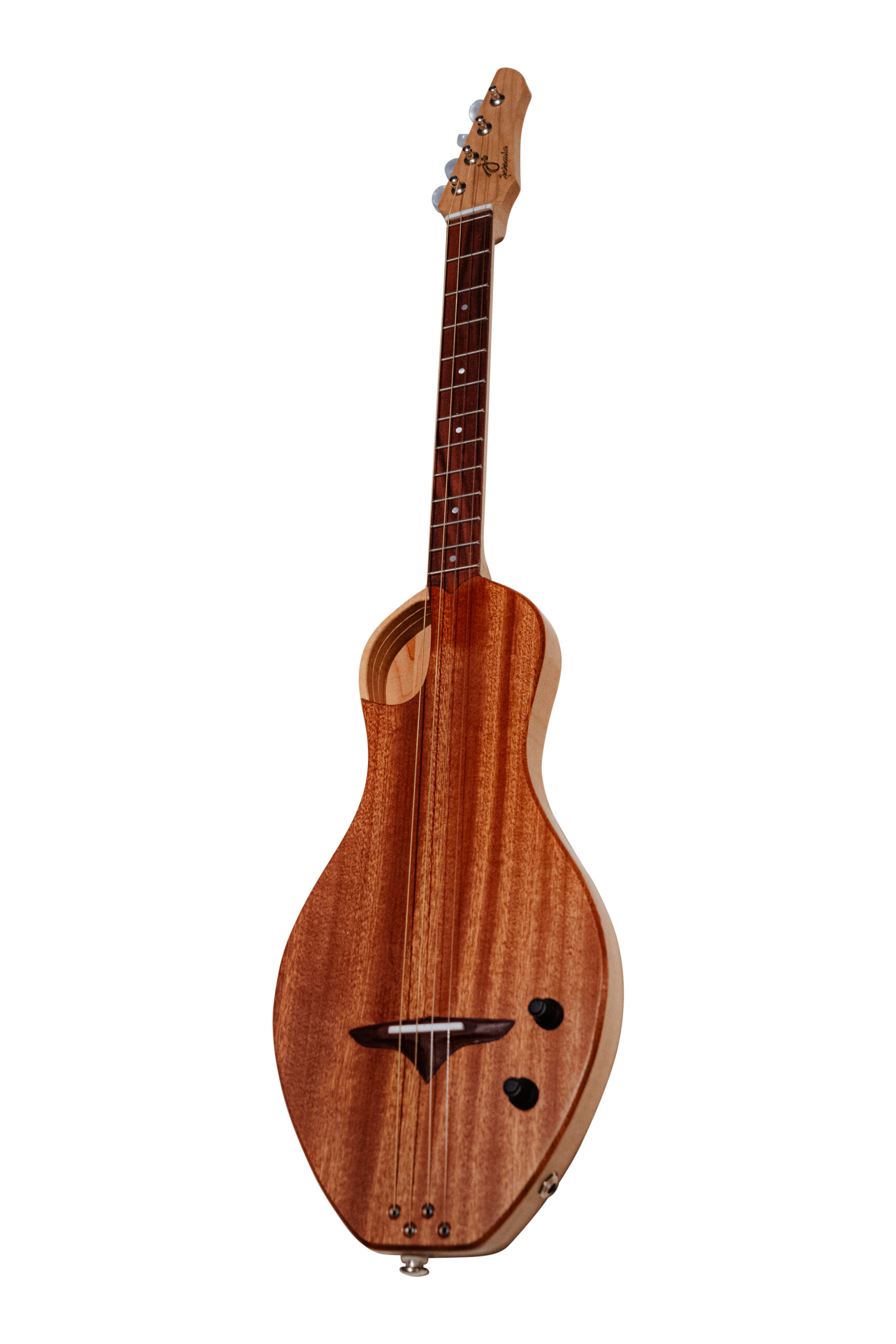
Boondocker Elite 4-String Chromatic Electric/Acoustic Baritone Ukulele w/Maple Body and Sapele Top
Original price was: $259.95.$249.95Current price is: $249.95. -
 Product on sale
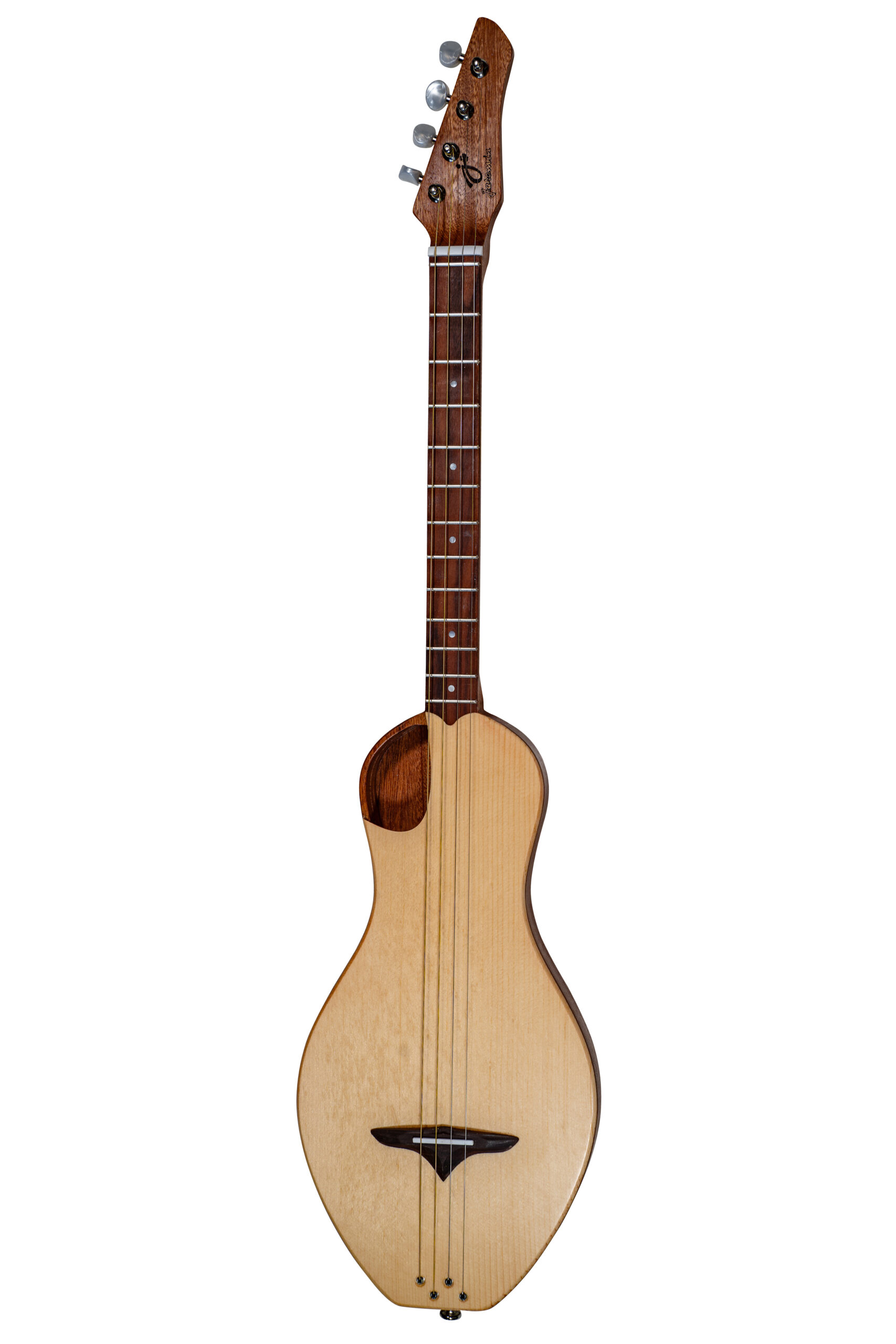
Boondocker Elite 4-String Chromatic Electric/Acoustic Baritone Ukulele w/Sapele Mahogany Body and Spruce Top
Original price was: $259.95.$249.95Current price is: $249.95. -

Laubenstein Old Elf Playing Boondocker Unisex Heavy Cotton Tee
Price range: $25.88 through $31.98

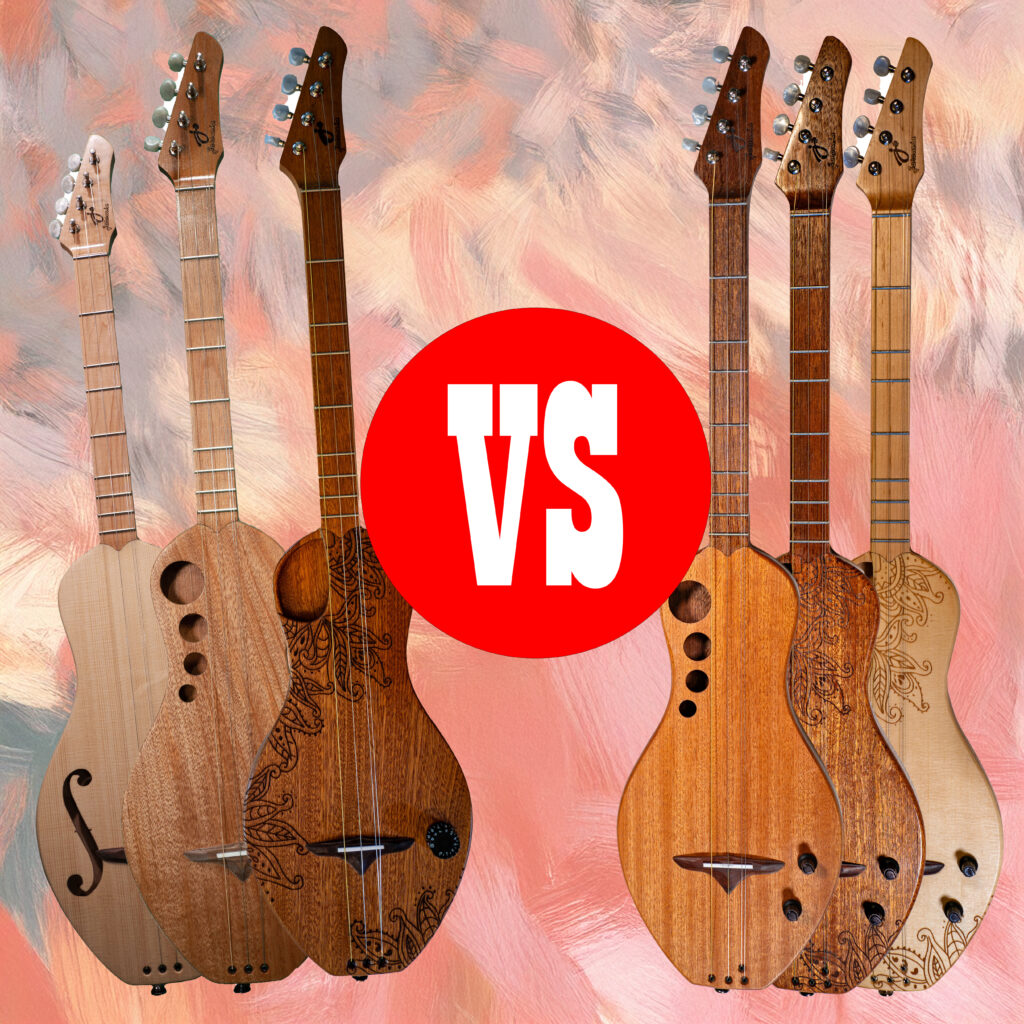
Please read below for my unsolicited review of the Mahogany Sapele Walking Dulcimer:
If you’re in the market for a unique stringed instrument, then the Jaromin Boondocker Dulcimer is a true revelation.
As a new proud owner of this instrument and also the Merlin Seagull, I can’t help but make some comparisons between the two instruments. On the surface the two instruments have many similarities. They are both a lot of fun and easy to play, but for me the Boondocker is a better instrument. I’ll tell you why:
First and foremost, the Jaromin Boondocker is a work of art. Its aesthetics are simply unparalleled. The henna-style decoration on the instrument is just stunning. The intricate details and rich colors make it a true conversation starter. The Merlin Seagull really pales in comparison in terms of visual appeal and looks a bit bland.
The beauty of the Boondocker goes beyond skin-deep. It has a very high level of ergonomic sturdiness that instills confidence in the player. It’s slightly heavier than the Merlin and feels more robust. The neck is the same width but it’s 3/16” thicker than the Merlin’s neck. The craftsmanship and attention to detail in its construction are evident from the moment you pick it up. It just feels more solid and fits well in your hands. Another difference is that the Boondocker has 8 frets (not counting the nut) where the Merlin only has 7. This gives the player a little more versatility if required.
Sound-wise, the Boondocker does not disappoint. While the Merlin Seagull may have a slightly louder acoustic sound, the Boondocker takes the lead with its built-in pickup. This feature allows you to amplify the instrument. To me, this is an important factor for those wishing to perform in a live on stage environment.
In conclusion, I honestly think that the Jaromin Boondocker Dulcimer is a beautiful, ergonomically sturdy, and sonically versatile instrument. I am a very happy customer, and I wholeheartedly recommend the Boondocker to anyone seeking a dulcimer that truly stands out.